
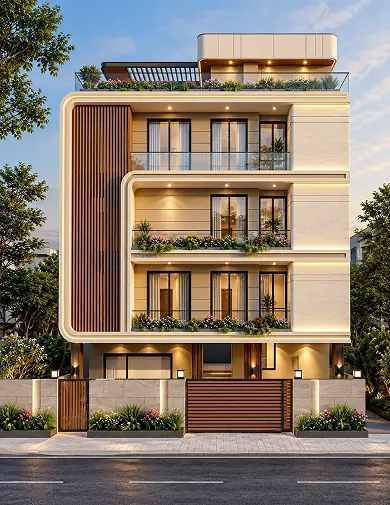
The Power of Natural Materials in Modern Interiors
Modern interiors are often defined by clean lines, open spaces, and refined simplicity. But what gives these spaces warmth and character is often something much more fundamental — natural materials.
From the grain of timber to the texture of stone, natural materials bring depth, authenticity, and a sense of connection to an interior. At Elements Design Studio, we use these materials thoughtfully to create spaces that feel contemporary while remaining timeless.
Why Natural Materials Matter
A space can be visually minimal without feeling empty. Natural materials introduce subtle variations in texture, colour, and form that make an interior feel more layered and inviting.
Wood can add warmth. Stone can create a sense of permanence. Linen and natural fabrics can soften architectural surfaces, while plants and greenery can introduce a direct connection to the outdoors.
Together, these elements create interiors that feel balanced and grounded.
Creating Warmth Through Wood
Wood remains one of the most versatile materials in interior design. It can be used across flooring, wall panels, ceilings, cabinetry, furniture, and architectural details.
Different finishes can completely change its character — from light and understated timber for a contemporary interior to deeper tones for a more dramatic and sophisticated atmosphere.
The key is not to use wood everywhere, but to use it where it can enhance the architecture and experience of the space.
The Character of Stone
Stone brings a natural sense of permanence to interiors.
Marble, limestone, sandstone, granite, and other natural stones can be used for flooring, countertops, feature walls, bathrooms, fireplaces, and furniture elements.
Each stone has its own pattern and variation, making every surface unique. When paired with simpler materials, stone can become a strong architectural feature without overwhelming the space.
Light as a Design Element
Natural materials become even more expressive when combined with thoughtful lighting.
Daylight can highlight the grain of wood, reveal the texture of stone, and create changing shadows throughout the day. Artificial lighting can then be layered to maintain the atmosphere after sunset.
Instead of treating lighting as an afterthought, it becomes part of the architecture itself.
Bringing the Outdoors In
The relationship between interior and exterior spaces is increasingly important in contemporary design.
Large openings, courtyards, balconies, indoor plants, natural ventilation, and continuous flooring can help blur the boundary between inside and outside.
This connection not only enhances the visual experience but can also make interiors feel more open, calm, and connected to their surroundings.
Designing Beyond Trends
Interior trends come and go, but natural materials have a quality that allows them to remain relevant.
Their imperfections, textures, and variations give spaces an authentic character that does not depend on seasonal styles. When combined with thoughtful planning and timeless forms, they can create interiors that age gracefully.
A More Meaningful Approach to Design
At Elements Design Studio, material selection is not simply about appearance. It is about understanding how materials interact with architecture, light, furniture, and the people who use the space.
The result is a design language that feels natural rather than forced — refined without being excessive, modern without losing warmth.
When materials are chosen with intention, every surface becomes part of the story.